Bad Ball Joint Symptoms: Inspection & Next Steps
A clunk or change in steering feel is a reason to inspect the suspension, not proof that a ball joint has failed. Identify the source of movement and check the joint using the vehicle’s service procedure.
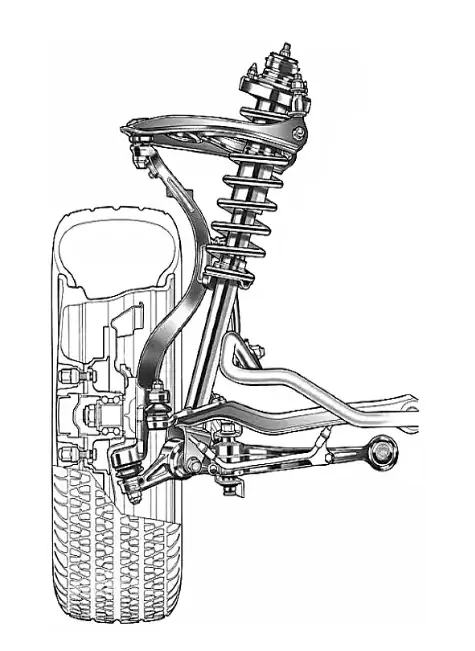
What might point to a worn ball joint?
A knock over bumps, changes in steering feel or uneven tire wear can be reasons to inspect the suspension. They do not identify a ball joint on their own. Note when the noise occurs, which corner it seems to come from and whether steering has changed.
Confirm the source before buying a replacement
Ask a qualified technician to locate the movement and compare it with the vehicle-specific inspection procedure. Suspension joints, steering joints and wheel bearings can produce overlapping symptoms. A general wheel-shake test is not enough to identify every fault or establish a universal wear limit.
When should you stop driving?
If steering control has deteriorated or joint separation is suspected, stop using the vehicle and arrange professional assessment. A seriously worn joint can separate. There is no safe distance that can be promised from a description of the noise.
Identify the replacement after inspection
Record the vehicle year, make, model, suspension position and reference number. Determine whether the joint is a separate service part or part of a control arm assembly. Ask the repairer to confirm the required fasteners and whether alignment needs checking.
What should a repair quotation include?
Request an itemized quote for the diagnosed component, labor, required hardware and any alignment work. Costs depend on the vehicle, access and local labor rate; a single website price would not describe every repair.
Technical reading: MOOG: symptoms of worn ball joints.